
Uncategorized

Who’s Watching the Water? How Smart Water Protection Helps Protect Multifamily Properties 24/7
Property managers spend a great deal of time thinking about who is coming into a building, what is happening in common areas, and how quickly someone can respond when something goes wrong.
But what about the water?
A small leak behind a toilet, beneath a sink, near a water heater, or inside an unoccupied residence can become a major problem before anyone knows it is there. And in a condominium or multifamily building, water rarely respects property lines. A problem in one residence can quickly affect the units below it, common areas, building operations, and other residents.
That is why VirCierge is expanding its approach to property protection with intelligent water monitoring and automatic shutoff capabilities.
Water Damage Is More Than a Maintenance Problem
Water damage can be particularly challenging in high-rise and multifamily properties because of the potential ripple effect.
The materials supporting VirCierge’s new water-protection offering cite $13 billion in annual U.S. property insurance losses from non-weather water damage. They also report that 52% of commercial and residential buildings experience at least one leak per month and that water damage claims exceeding $50,000 have doubled since 2015.
For property managers and boards, the potential costs extend beyond repairing a pipe or replacing drywall. A significant water event can mean remediation, displaced residents, damaged common areas, unavailable amenities, insurance claims, resident complaints, and operational disruption.
Repeated water-loss claims can also contribute to increasing insurance premiums or deductibles and may affect a property's insurance options.
Detection Is Good. Stopping the Water Is Better.
Traditional leak detectors can alert someone that water is present.
VirCierge’s intelligent water protection takes the concept further. It monitors for both the presence of water and unexpected water flow.
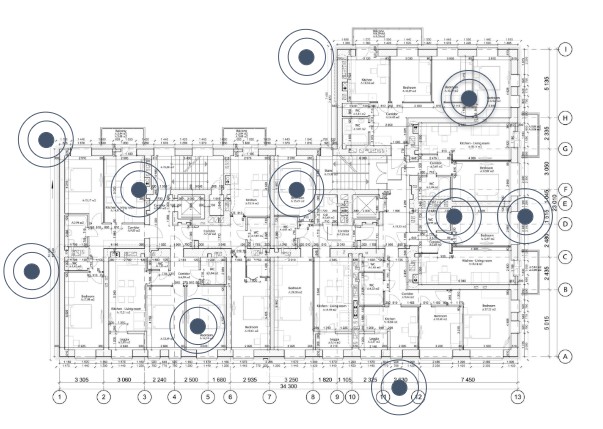
Sensors can be strategically placed in high-risk locations throughout residences and common areas, including beneath sinks, behind toilets, and near water heaters. If water is detected where it should not be, the system can communicate with the central gateway and, when configured to do so, automatically shut off the water supply to the affected area or residence.
But physical water detection is only part of the equation. The system can also monitor water flow and identify unexpected or abnormal usage. For example, continuous or unusual water flow may indicate a leak even before water reaches a sensor. Based on the property’s configuration and selected thresholds, the system can send notifications and even trigger an automatic shutoff valve when that unexpected flow is detected.
Alerts can also be sent to residents and property management, helping everyone respond quickly.
Instead of discovering a leak after water has been flowing for hours, the goal is to identify an unexpected water event and stop the flow within seconds.
An Especially Important Safeguard for Seasonal Residents
For communities with seasonal residents, water protection takes on even greater importance.
Consider a resident who leaves for Florida for the winter, spends the summer elsewhere, or regularly travels for weeks at a time. Their residence may look perfectly secure from the hallway while a leak develops inside.
Nobody is there to hear running water. Nobody notices the puddle spreading across the floor. By the time water appears in the unit below, significant damage may already have occurred.
24/7 intelligent water monitoring provides another set of eyes on the property even when the resident is hundreds or thousands of miles away.
That can provide valuable peace of mind for the resident and an additional layer of protection for the association and neighboring residences.
Designed Around Your Property
Just as every VirCierge concierge and surveillance solution is designed around the needs of the individual property, water protection should not be one-size-fits-all.
VirCierge can develop a water-sensor and flow meter placement plan based on the property's floor plans, identifying appropriate locations for coverage. Depending upon the application, the solution can incorporate wireless or wired sensors, gateways, automatic flow-control valves, and water-flow monitoring.
The result is a system designed to detect problems where they are most likely to occur and respond when they do.
One More Way VirCierge Helps Watch Over Your Property
VirCierge has always combined people and technology to help multifamily properties improve security, access, resident service, surveillance, and incident response.
Intelligent water protection is a natural extension of that approach.
Because protecting a property is not only about watching who comes through the front door.
It is also about identifying the problems residents and property managers cannot see and responding before a small incident becomes a very expensive one.
Interested in adding intelligent water protection to your property? Contact VirCierge to learn how a customized water monitoring and automatic shutoff solution could work for your community.
Frequently Asked Questions
What Property Managers Can Expect from a Virtual Concierge Consult
Many property managers first reach out to VirCierge because they want better coverage at the front door or the vehicle gate without adding another on-site staff position.
They are usually looking for a practical way to make sure visitors are answered, deliveries are handled after hours, and entry activity stays visible even when the desk is not staffed, and a virtual concierge makes that possible while costing far less than maintaining full-time onsite coverage.
But as the conversation continues, property managers often realize the front door is only part of the story, because while the intercom may work fine during business hours it may not support evening coverage when cameras are sometimes difficult to view from home, and entry points across the property are not always monitored in a consistent way, which means that when something happens after hours the responsibility for figuring it out often falls back on the property manager.
Instead of just adding someone to answer the front door remotely, the conversation usually expands into a broader look at how access works across the property and where visibility gaps may already exist.
It Usually Starts at the Front Door
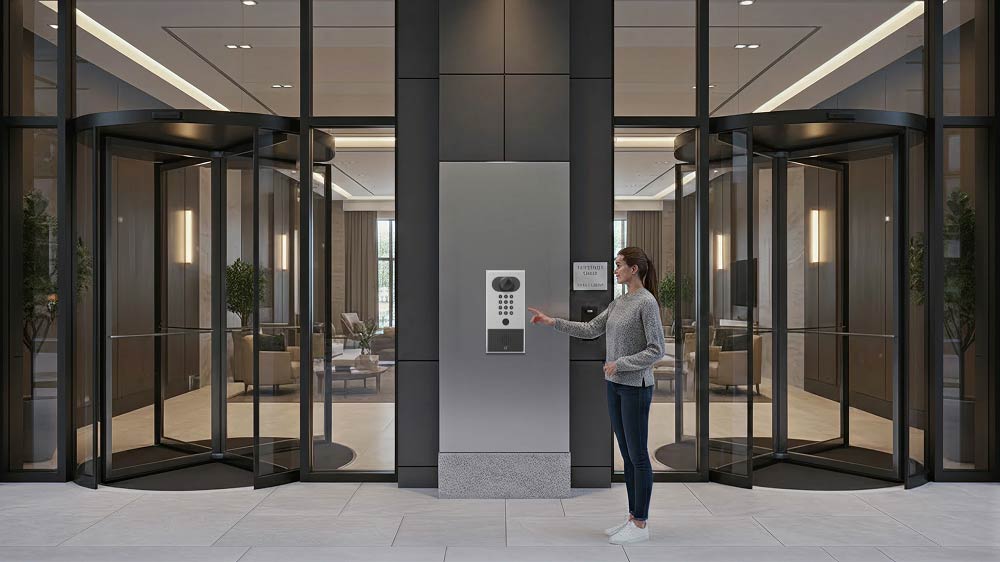
For most buildings, the intercom defines how residents, guests, and deliveries enter the property and sets the tone for both convenience and their sense of safety. That's why we begin with a simple question:
How does someone get into your building today?
Some properties still rely on legacy call systems where a resident presses a number on their phone to unlock the door. Others already have modern access panels. Many fall somewhere in between. VirCierge integrates with a wide range of systems, allowing buildings to improve functionality without requiring a full replacement upfront.
The First Conversation is About Your Objectives
Sometimes a manager will say their current system is performing well overall, but they need more consistent after-hours coverage. Other times, the conversation quickly expands—recurring camera outages, limited remote access, or gaps in visibility across the property.

Both situations are common, and they often point to a bigger picture.
What begins as a conversation about virtual concierge support often uncovers broader challenges with access control, video visibility, or overall system reliability.
In many buildings across the Maryland and DC region, managers still face moments where something happens after hours—and they can’t check cameras from home forcing them to drive on-site for answers. Enabling remote access changes that dynamic, allowing both the virtual concierge team as well as property managers to view real-time information when they need it most.
Then We Look at the Building Itself
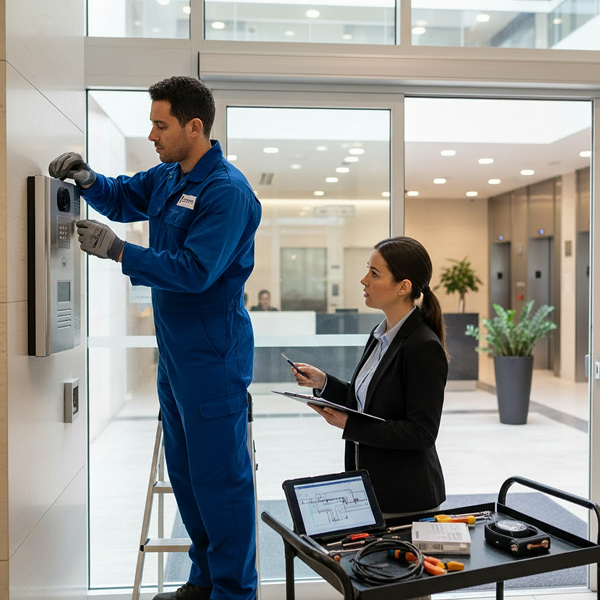 After the discovery conversation, our design team visits the property to assess what's already in place. This includes reviewing intercom hardware, evaluating access points, understanding how cameras and network infrastructure support the system overall.
This on-site assessment allows us to develop a plan tailored to your building rather without forcing unnecessary replacements.
In some cases, the answer is simple configuration changes. In others it makes sense to upgrade key entry points first and make continued improvements over time. Many communities choose a phased approach that minimizes disruption while keeping planning practical and aligned with budget cycles.
The Result is a Connected Access Strategy
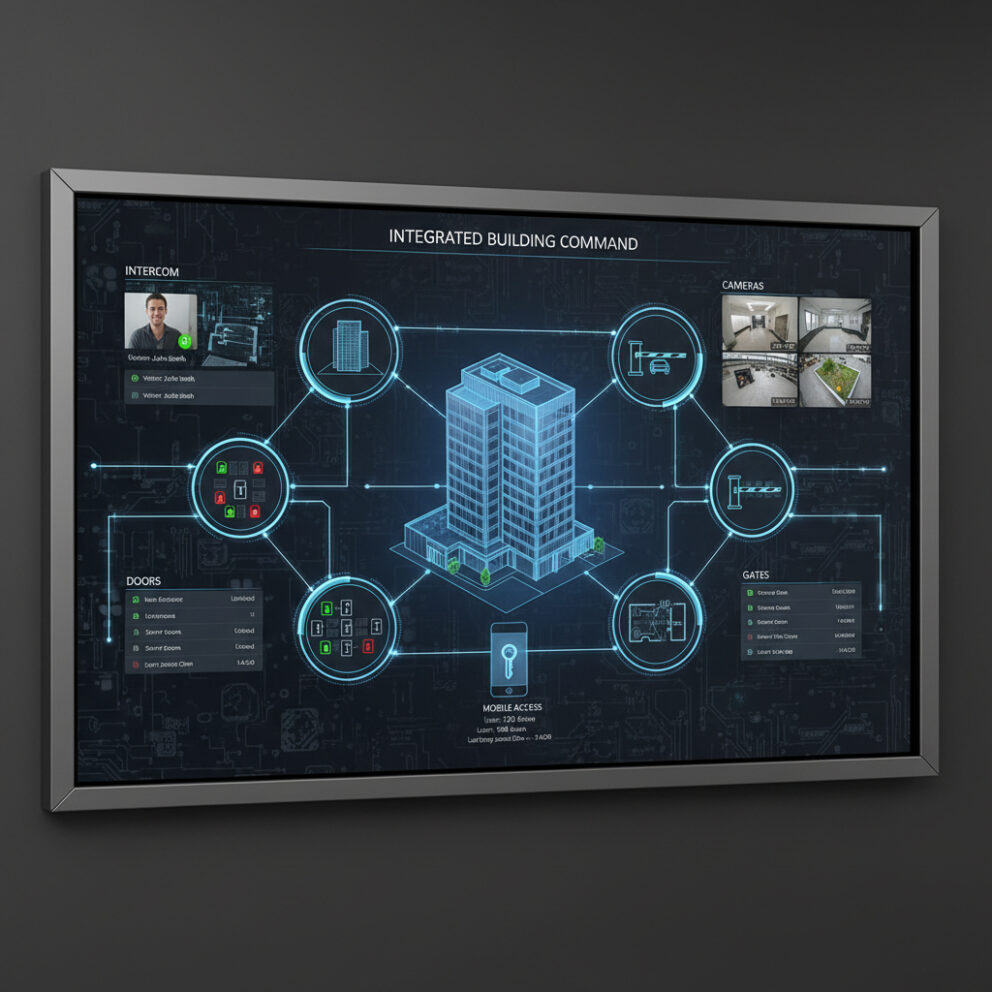 By the time a property finishes the process, something important has changed. Instead of treating the intercom, cameras, and entry doors as separate tools, the building starts using them as one connected system that supports daily operations.
That shift also changes how coverage works. Access monitoring can be supported by a remote concierge team, maintaining responsiveness for visitors and deliveries without requiring consistent on-site staffing. For many communities, this reduces staffing overhead and creates space in the budget which can be used to support system improvements over time.
The impact becomes clear in everyday moments.
| A delivery arrives. | → | The remote concierge responds. | → | The visitor speaks through the intercom. |
Interactions remain visible 24/7 from any device.
Both the concierge team and property managers can access this activity from anywhere, without needing to return to the building to understand what happened.
And that is the ultimate goal of the VirCierge process: starting with the front door and building towards a system that supports how your property actually runs - day to day and after hours.
Frequently Asked Questions

2026 State of the Condo Market: When Amenities Can Make All the Difference
The Wall Street Journal recently highlighted a growing reality facing condo owners across the country. In “Surging HOA Fees Are Pushing Homeowners to the Brink,” the publication noted that HOA fees have risen sharply since 2019 as insurance costs, labor expenses, reserve requirements, and deferred maintenance continue to increase. For many condo communities, monthly carrying costs are beginning to rival mortgage payments.
While the pressure is being felt nationally, the luxury condo market is responding differently than mid market and lower tier communities. Along the East Coast, markets like Fort Lauderdale and the broader DMV region including Washington DC, Northern Virginia, and Maryland are seeing very different challenges emerge.
In South Florida, associations are navigating rising insurance premiums, stricter reserve requirements, and structural safety regulations following the Surfside collapse. Meanwhile, many DMV communities are balancing aging infrastructure, staffing costs, and long term operational planning in increasingly competitive housing markets.
Across both regions, the conversation is no longer simply about lowering costs. It is about maximizing operational efficiency while preserving the resident experience and long term property value.
That is where virtual concierge services are becoming increasingly important.
Why the Luxury Condo Market Is Different
The broader condo market is seeing a divide between well managed communities and those struggling with rising expenses, reserve shortfalls, and aging infrastructure.
In South Florida, particularly Fort Lauderdale, the market has experienced some of the most dramatic changes following new reserve and structural safety requirements enacted after the Surfside collapse. Many older buildings are facing large special assessments and significant HOA increases. Buyers are scrutinizing reserve studies and association finances more closely than ever before.
In contrast, the DMV market, including Washington DC, Northern Virginia, and Maryland suburbs, faces a different type of pressure. Condo communities in Alexandria, Arlington, Bethesda, Silver Spring, and Falls Church are seeing steady increases in dues tied to insurance, staffing, utilities, and long term capital planning. Many associations are working to modernize older properties while remaining competitive against newer developments and townhome communities with lower monthly fees.
Despite the differences between South Florida and the DMV, one trend is becoming increasingly clear. Amenities and service quality still matter deeply in luxury communities, but efficiency matters just as much.
Why Virtual Concierge Services Are Gaining Momentum
Residents still expect a premium experience, especially in luxury properties. However, communities are increasingly looking for ways to modernize operations without dramatically increasing HOA dues.
 Virtual concierge services help solve that challenge.
Rather than replacing hospitality, virtual concierge models extend service coverage, improve responsiveness, and streamline resident communication while reducing the staffing burden on buildings. For high end condo communities, this creates several important advantages.
First, virtual concierge services can help contain rising operational costs. Staffing remains one of the largest line items in many luxury associations. A hybrid concierge model allows communities to maintain high service standards while improving efficiency.
Second, virtual concierge solutions support resident expectations around convenience and responsiveness. Today’s residents expect immediate communication, package management support, visitor coordination, and digital accessibility. Virtual concierge platforms can provide coverage and consistency that residents increasingly value.
Third, these services can help preserve property competitiveness in a softening condo market. As buyers become more selective, communities that demonstrate operational sophistication and strong resident services may have an advantage over buildings perceived as outdated or inefficient.
Amenities Are No Longer Optional
The luxury condo market is entering a new phase where buyers are evaluating more than finishes and location. They are evaluating governance, reserves, operational efficiency, and the overall resident experience.
In this environment, associations that embrace smart operational strategies will likely be better positioned to control costs without sacrificing service quality.
Virtual concierge services are emerging as one of the clearest ways luxury condo communities can modernize operations while protecting both resident satisfaction and long term asset value.
Frequently Asked Questions

Overnight Concierge Coverage Is Changing. Property Operations Are Changing with It.
Across residential and mixed-use properties nationwide, overnight concierge coverage has become one of the hardest service windows to manage.
For years, the third shift was treated as the calmest part of the day. Fewer residents are moving through the lobby, fewer deliveries are being made, and fewer interruptions are occurring. Today, that assumption is no longer true.
Between staffing shortages, rising labor costs, insurance expectations, and the growing role of monitored access environments, overnight coverage is no longer just a scheduling challenge, but an operational stability issue across entire property portfolios. And property managers are beginning to rethink how they cover that shift. Remote concierge support gives property teams another way to cover the overnight shift and follow building-specific response procedures.
The Overnight Shift Has Always Been Difficult. What’s Changed Is the Risk Around It.
Every experienced property manager understands the realities of overnight staffing. Coverage pools tend to be smaller, backup options are limited, and last-minute callouts are always part of managing that shift.
But what used to be an inconvenience is now something larger. Insurance carriers expect stronger documentation. Associations expect clearer visibility. Residents expect controlled access awareness around the clock.
Residents Expect Awareness Even When They Don’t Expect Interaction
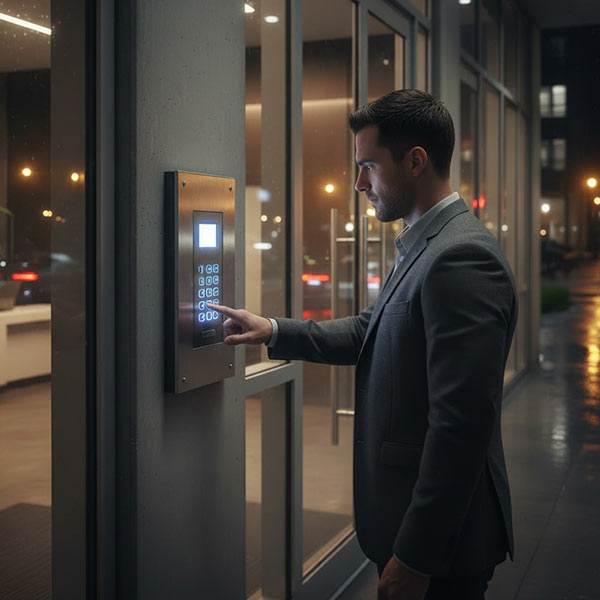 Overnight concierge coverage is not about conversation, but about confidence.
Even overnight, buildings don’t really go quiet. Packages still arrive, contractors still request early access, entry points stay active, cameras continue recording activity, weather events still affect operations, and visitors can show up unexpectedly at any hour.
Residents may not expect a greeting at 2 a.m., but they do expect someone to be watching what matters.
The Status Quo Model Is Getting Harder to Sustain
Traditional concierge coverage followed a predictable structure for decades, including three shifts, continuous staffing, and consistent desk presence.
That model worked when labor was stable and operational expectations were simpler.
Today, management companies are balancing:
- staffing shortages
- rising insurance pressure
- vendor cost increases
- reserve planning expectations
- board confidence around fee stability
- and resident expectations shaped by instant-response services like Amazon and Uber
The question many property managers are now asking is not whether coverage matters, but whether traditional overnight staffing is still the most reliable way to deliver it.
The Industry Is Moving Toward a Hybrid Live-Virtual Concierge Model
Across the property operations landscape, a shift is already underway. Rather than relying exclusively on desk-based overnight staffing, more communities are introducing remote concierge support designed specifically for coverage windows where consistency is hardest to maintain.
This approach doesn’t replace daytime concierge programs. It strengthens the shift most likely to experience service variability.

Modern virtual concierge systems can:
- monitor entry points in real time
- coordinate visitor access remotely
- support residents instantly
- document incidents with video and logs
- integrate with existing access-control systems
- maintain visibility across multiple monitored locations simultaneously
The result is not less service, but more consistent service.
Introducing VirCierge: Where Technology Meets Property Operations Experience
VirCierge was developed specifically to support this shift toward more stable, technology-enabled coverage.
Built by professionals with more than four decades of experience in building operations and service delivery, VirCierge combines remote concierge professionals with integrated monitoring platforms designed to extend visibility across properties without increasing staffing complexity.
The system provides:
- 24/7 monitored entry awareness
- remote visitor coordination
- package and contractor visibility support
- incident documentation
- camera-based monitoring
- integration with existing access-control environments
VirCierge is designed to give property managers more flexibility in how concierge coverage is delivered. In some buildings, it strengthens existing teams by adding reliable overnight monitoring and entry awareness. In others, it creates a new model for providing consistent coverage without relying on a physical desk presence at all.
Why Overnight Coverage Is the First Place Many Properties Start
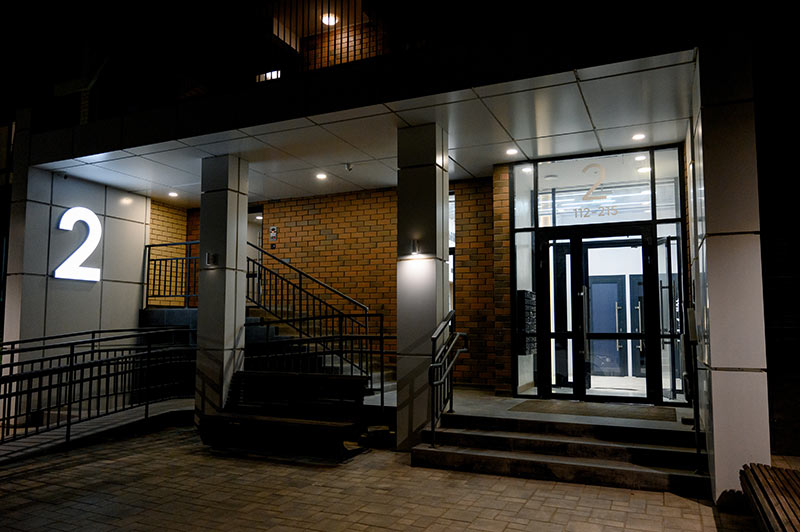 For many buildings, the overnight shift is the natural place to start when introducing a hybrid concierge model. It’s often the hardest shift to keep staffed consistently, but residents still expect the building to be monitored and secure around the clock.
Remote concierge support helps close that gap by keeping activity visible, improving documentation, and making sure someone is paying attention when it matters most, even in the middle of the night.
Smaller Buildings Are Seeing Opportunity Too
Interestingly, some of the strongest early interest in virtual concierge support is coming from buildings that never had concierge desks at all, like boutique condominiums, mid-rise communities, seasonal properties, and multi-building neighborhoods.
These properties often operate with controlled-access expectations similar to larger towers, but without the infrastructure to support continuous staffing. Virtual concierge coverage makes those service levels possible without requiring additional onsite personnel or physical desk space.
The Next Step in Property Operations
Property operations are changing quickly, and overnight coverage is often the first place where those changes show up. VirCierge gives property managers a practical way to maintain awareness across their buildings during the hours that are hardest to staff consistently, while still supporting the expectations residents already have around safety, access, and responsiveness.
Built on more than 45 years of building service experience, VirCierge combines trained monitoring professionals with modern access and camera integration to help properties stay informed about what’s happening across entry points and common areas. The system can support existing concierge programs or provide reliable coverage in buildings where traditional overnight desk staffing no longer makes sense.
For management teams looking to strengthen coverage without adding complexity to staffing plans, VirCierge offers a flexible approach that fits into the way buildings already operate today, and the way they are likely to operate in the future.
Schedule a Consult today to see how virtual concierge coverage could support your property.

Virtual vs On-Site Concierge: Which Is Right for Your Property
When property owners and managers evaluate concierge services, they are really asking a strategic question: how do you balance resident satisfaction, operational cost, and brand promise across different-sized properties and footprints? Traditional concierge desks have long been a marker of luxury and hands-on service. But the rise of virtual concierge models powered by remote professionals and integrated technology is reshaping expectations for residential communities, high-rise condominiums, HOA properties, and hospitality assets alike.
Concierge at a Glance
On-site concierge services have that immediate human presence. They greet guests, respond to resident needs in person, and help cultivate a sense of community. But they also carry ongoing staffing costs, shift scheduling challenges, and require dedicated lobby space that may not exist in every footprint.
Virtual concierge blends trained remote professionals with secure technology — cameras, intercoms, access control, and command centers — to manage security, package handling, maintenance coordination, and guest communication 24/7. This model is inherently scalable and often far more cost-effective, particularly across multiple buildings or properties with limited common area space.
Which Property Types Benefit Most
| Property Type | Typical Footprint | Concierge Challenge | Best Fit Concierge Model |
|---|---|---|---|
| Small Buildings or Boutique Residences | Limited lobby or footprint | High cost of 24/7 staffing makes traditional desk hard to justify | Virtual concierge delivers full service without physical desk |
| Medium-Sized Communities | Some shared spaces but fluctuating demand | Staffing peaks and valleys create scheduling gaps | A hybrid concierge model can keep staff on-site during busy hours and provide remote support after the desk closes. |
| Large High-Rise or Gated Communities | Expansive access points | Consistent security and flows overwhelm small teams | Virtual excels with monitoring and mass request handling |
| Short-Term Rentals | Guest volume swings | Need constant touchpoints and often no on site desk | Virtual provides scalability and consistent service |
When On-Site Concierge Still Shines
 On-site staff bring a human touch that no screen can fully replace. That said, for rising Millennial and Gen Z homeowners, convenience, privacy, and speed often outweigh traditional face to face exchanges for tech native generations.
On site staff also comes at a real cost — payroll, benefits, training, turnover headaches, desk and amenity space, and the operational overhead that often exceeds $150,000 a year per staff member in some hospitality models.
The Case for Virtual Concierge
 Virtual concierge doesn’t simply replace a front desk with a phone line. Today’s systems combine real people trained to follow property protocols with robust monitoring tools that integrate with access control and existing cameras. That means consistent 24/7 coverage, better incident uptake, and strong resident satisfaction without the overhead of multiple full-time staff.
This model particularly benefits property managers juggling multiple buildings or those looking to standardize service without inflating costs. Whereas on-site staffing must be replicated property by property, virtual concierge scales, adapting service hours and coverage as properties grow or resident needs change.
In many cases virtual concierge also yields data insights — everything from resident request patterns to peak package volume — which helps refine service levels and resource allocation over time.
FAQs

The Role of Concierge Services in Resident & Tenant Satisfaction
In today’s increasingly competitive residential real-estate landscape, tenant and resident satisfaction has moved from being a “nice-to-have” to a core differentiator. One of the most effective ways that property managers and owners can raise the bar on service and perception is through the integration of virtual concierge services. Companies such as VirCierge provide a compelling blueprint for how front-desk, security, and service coordination functions can evolve to become partner-centric, technology-driven, and resident-focused.
Concierge Convenience. 24/7 Support.
When residents know they have 24/7 access to support, whether for package handling, access control, maintenance coordination, or visitor management, they feel heard and valued. VirCierge highlights how their model allows remote professionals plus integrated camera, intercom and key-card systems to manage entrance control, surveillance, package activity and incident response. In a world where package deliveries, rideshare drop-offs and security incidents all influence sentiment, offering reliable service at all hours sends a clear signal: your property is high-touch, modern and responsive.
Enhanced Sense of Community and Engagement
Because virtual teams can flex to cover third-shift hours, weekends and holidays consistently, residents benefit from uninterrupted service even when a live desk might be understaffed or closed. That continuity builds trust and loyalty. For property managers, replacing or supplementing traditional on-site concierge staffing with a hybrid or fully virtual model can mean substantial cost savings (up to 60 % on full-time equivalent staffing expenses) while still maintaining or even elevating service levels.

Providing Peace of Mind for Residents
The integration of virtual concierge into access control, surveillance, incident investigation and maintenance workflows enhances not just satisfaction but also safety and peace of mind. Residents increasingly expect security and responsiveness as expected essentials. Systems in place for door-entry management, real-time alert monitoring, video-intercom links and escalation protocols, communicate that resident wellbeing and asset protection are priorities, not afterthoughts. In turn this can reduce resident complaints, enhance occupancy and justify premium positioning in the market.

Rapid Response, Hi Tech and Always Updating - That's Virtual Concierge
Finally, virtual concierge services help future-proof properties for evolving resident expectations. Millennials and Gen Z residents not only value rapid response but also seamless technology integration, smart-building interfaces and modern living environments. A property that offers virtual concierge service is sending a message: we are dynamic, tech-forward and resident-centric. This kind of positioning enhances reputation, reduces turnover, and can become a key differentiator in competitive markets.
In conclusion, the role of concierge services in enhancing resident and tenant satisfaction is now bigger than ever. When thoughtfully implemented, virtual concierge models like VirCierge deliver convenience, operational efficiency, safety and modernity, all of which deepen resident trust and satisfaction. For property managers looking to elevate the resident experience while controlling costs, embracing virtual concierge services may be a smart strategic move.

How Virtual Concierge Services Can Lower Operational Costs Without Compromising Quality
How Virtual Concierge Services Can Lower Operational Costs Without Compromising Quality
In the competitive landscape of multi‑building and high‑rise condominium management, property managers face constant pressure to enhance service quality while keeping operational costs in check. One solution increasingly gaining traction is virtual concierge / remote concierge services. When implemented thoughtfully, they can reduce expenses significantly – without sacrificing the level of service your residents expect.
Cost Savings: Labor, Infrastructure & Overhead
One of the most substantial cost reductions comes from lowering full‑time personnel expenses. Traditional lobby concierges require shifts, payroll, benefits, overtime, training, and desk space. Virtual concierge models, such as those offered by VirCierge, can reduce these full‑time equivalent (FTE) concierge costs by up to 60%.
Because virtual staff work remotely, there is no need to dedicate physical concierge desks, rooms, or even permanent staff on site at all hours. The elimination of that physical footprint means savings in rent, furnishings, utilities, insurance, and security tied to those spaces.
Consistent 24/7 Coverage with Scalability
One frequent challenge in managing live staffing is ensuring consistent third‑shift or concierge coverage. Missed hours or understaffed shifts leave security gaps and dissatisfied residents. Virtual concierge services operate around the clock, ensuring uniform coverage without the “shift premium” or scheduling complexity of live staffing.
The cost comparison should account for the concierge coverage a building needs overnight, on weekends and during holidays. Additionally, virtual systems can scale more flexibly. If you manage multiple buildings or large complexes, adding virtual agents to cover new access points or buildings requires little more. No extra hiring and training needed for onsite teams, and if tech is a cost concern, any upgrades desired can be rolled out over time.
Integrated Technology + Surveillance for Higher Efficiency
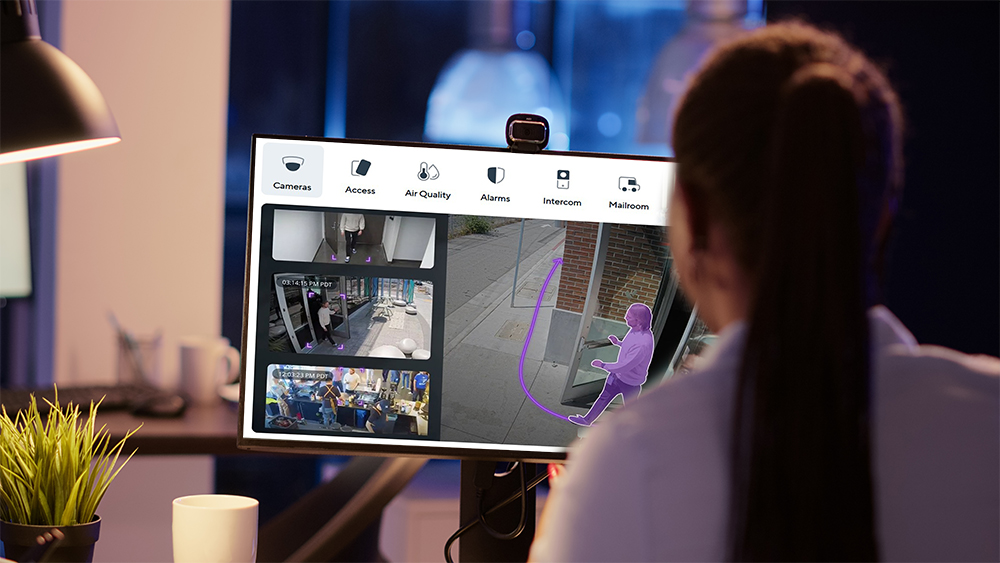
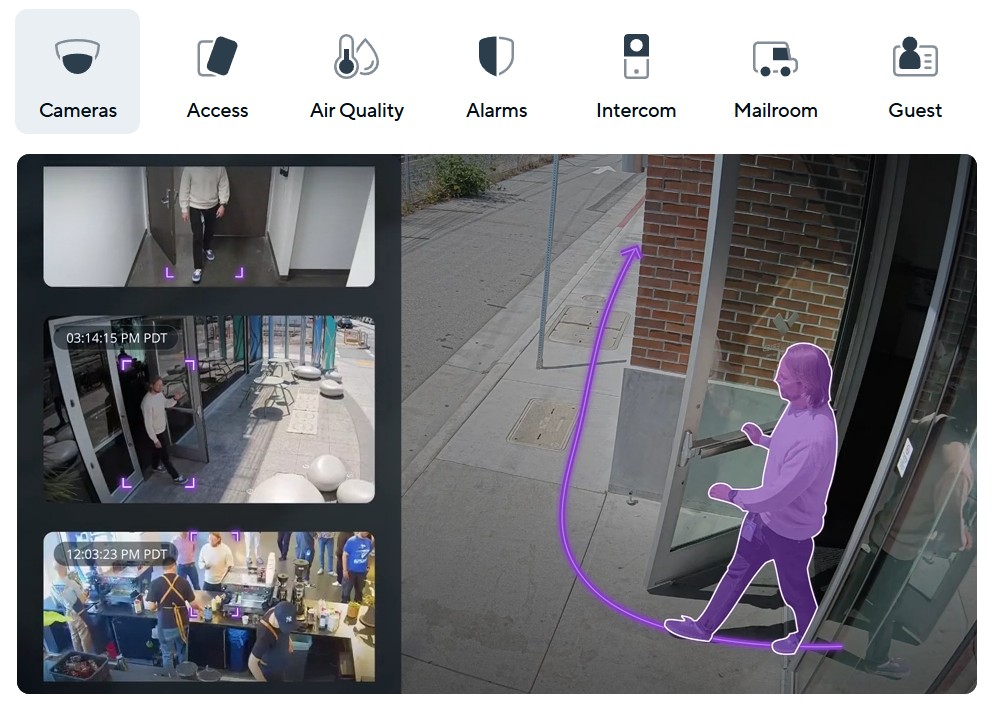
Virtual concierge is more than just a voice on the other end of an intercom. Modern solutions combine our well-trained people + top-end technology: integrated intercoms, access control, video cameras, real‑time alerts, and incident investigation tools.
Wait – that sounds like a BIG technology investment. Not necessarily. Our virtual concierge system can often link to legacy hardware or adopt existing cameras; you don’t always have to rip and replace your existing infrastructure. Our systems are built to contain capital expenditures, and when you are ready to replace and upgrade any equipment, we can do it over time to make any tech investment easy to digest and implement.
Reducing Liability, Insurance and Incident Expenses with Virtual Concierges
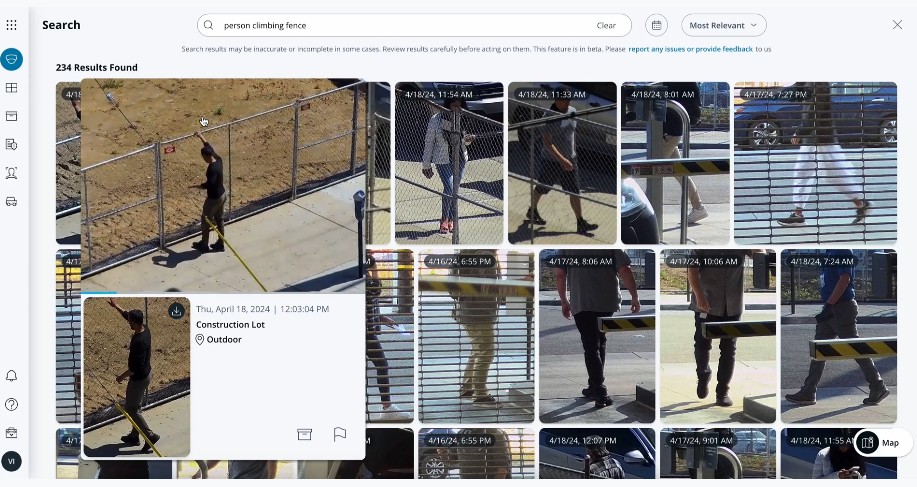
Our people and systems also help minimize liability exposure. If an incident occurs (say, a break-in, package theft, or unauthorized entry), the virtual concierge team can immediately validate, escalate, and investigate, potentially lowering insurance claims and premiums over time. Our equipment retains and archives it. Our people cross reference, notify, and witness everything – often from multiple cameras and days of footage – for you and your team’s convenience.
Maintaining & Improving Concierge Service Quality
A common worry is whether remote staff can deliver the same level of responsiveness, attention, and personal touch as on-site concierges. But with properly trained, dedicated virtual professionals and robust systems, you can offer:
- Gate/door access management
- Package handling coordination
- Maintenance request triage
- Resident communication (calls, intercom, alerts)
- Incident validation and escalation
- Monitoring of high-traffic common areas
Because everything is systematized with dashboards and command center views, your management team also gains better oversight, consistency, and accountability.
Strategic Blending of People and Technology (Hybrid Models)
It doesn’t have to be all or nothing. If you already have onsite concierge staff, you can blend live coverage with virtual support, particularly during off‑hours or holiday shifts, to reduce costs while preserving face‑to‑face service during peak times.
Concierge Savings Across the Board
By leveraging virtual concierge services, you can cut labor and infrastructure costs, achieve seamless 24/7 coverage, and maintain or enhance resident satisfaction. For property managers overseeing multiple buildings or high-rise communities, this model offers a compelling balance between efficiency and excellence.

Top 10 Questions Condominium Property Managers Ask Before Hiring Virtual Concierge Services
As a condominium or community manager, you're responsible for enhancing resident experience, ensuring security, and managing costs. Virtual concierge services, like those provided by VirCierge, present an innovative solution—but making the right choice starts with asking the right questions.
1. What Services Do Virtual Concierges Provide?
Property managers want clarity on the scope of services. VirCierge’s remote professionals manage door‑entry, package handling, maintenance coordination, live monitoring, alerts, and investigations of incidents. VirCierge also helps you plan strategic additions to existing, or new plans for, technology and surveillance equipment.

2. Can Virtual Concierge Integrate with Our Existing Systems?
Integration capabilities are critical. VirCierge documents and works hard to integrate with legacy hardware such as intercoms, cameras, keycard systems, and command‑room dashboards.
3. Is 24/7 Coverage Included with Virtual Concierge Service?
Always‑on service is essential for condo resident safety and convenience. Vircierge can provide consistent concierge coverage overnight or around the clock, depending on the property’s plan.

4. What Are the Cost Savings of Virtual Concierge Professionals Compared to In‑Person Staff?
Cost-effectiveness is a major draw. Virtual Concierge professionals can save a property up to 60% savings vs each on site concierge.
5. How is Surveillance Improved with VirCierge Virtual Concierge Services?
High quality, 24/7 surveillance enhances risk management. VirCierge offers top‑shelf surveillance professionals and equipment that enhances liability protection, and improves incident investigation through high‑quality footage and live remote validation by staff.
6. How Is Onboarding Handled—What’s the Implementation Process?
Understanding implementation strategies helps set expectations. VirCierge outlines a three‑step approach: site survey, goal‑setting, and a full proposal covering equipment, installation, integrations, costs, and timeline
7. Can Virtual Concierge Work with On Site Concierge Professionals?
Absolutely, a A hybrid concierge model lets a property retain on-site staff and add remote support for nights, holidays or other gaps. VirCierge meets each property’s needs. Some just need holiday or third shift support, whereas others require a fully remote staff. Properties with multiple buildings might choose to staff some fully remote, while others with onsite staff.
8. What Customization Options Are Available with Virtual Concierge?
Every property is unique. VirCierge customizes packages by varying building coverage, number of access points or cameras, levels of advanced service, hours of operation, and integration complexity.
9. How Do Residents Benefit from Virtual Concierge?
Virtual Concierge services can be counted on after hours; there are no call-outs. This means there is always someone there to count on and someone to make the call. In addition, VirCierge provides surveillance monitoring to further improve safety of the building and residents.
Adding Virtual Concierge services is a modern way to update and improve property surveillance and amenities.
When there is no space for onsite staff, Virtual Concierge makes Concierge Services possible - a definite upgrade where none is currently in place.
10. Who Operates the Service—and What Experience Do They Bring?
Choosing a reliable provider means trusting the people and the technology. VirCierge brings together experienced professionals with multiple decades of experience serving condo properties of all sizes, delivering a blend of technology, installation capacity, and service expertise few can match.
Not Sure if Virtual Concierge is Right for Your Property?
Schedule a quick chat with our team at VirCierge to discuss how we might just be the solution to your building’s needs.

What Is a Virtual Concierge Service? Does My Property Need One?
In today’s fast-paced world, property managers of large residential or office buildings are continually challenged to offer superior convenience, security, and resident satisfaction—without unsustainable staffing costs. A virtual concierge service may be the strategic solution you’ve been seeking.
Virtual Concierge Defined: People Plus Technology
A virtual concierge service, such as VirCierge, combines advanced communications technology with trained remote professionals to manage access control, package handling, maintenance coordination, surveillance, and incident investigation.
Remote concierge support can extend service into evenings, weekends and other hours that are difficult to staff on-site.
Key Benefits of Vircierge for Property Managers

- Cost savings: Dramatically reduce full-time staffing overhead—VirCierge advertises up to 60% savings on full-time equivalent costs.
- 24/7 coverage: Provides consistent third-shift coverage without the complexities of night staffing.
- No physical concierge desk required: Ideal for properties with limited lobby space or evolving architectural designs.
- Enhanced surveillance: Combines intercoms, cameras, keycard systems, and a digital command center to monitor entry points, common areas, and elevator traffic.
- Insurance and liability benefits: Helps improve incident investigation processes and potentially lower insurance costs.
Hybrid Concierge Services: Augmenting On-Site Staff

If your property already employs an on-site concierge, virtual services can supplement gaps—especially during off-hours—while maintaining high service standards.
Integration Compatibility
Virtual concierge systems can blend with existing legacy systems, such as access control and surveillance, reducing complexity and ensuring continuity.
Why VirCierge Makes Property Managers’ Work Easier
- Elevates resident experience: Consistent 24/7 timely package delivery, prompt maintenance coordination, and controlled access increase resident trust and satisfaction.
- Competitive edge: Offers a modern, tech-enhanced service differentiates your property in a crowded market, improves safety and reduces costs, potentially up to 60% per concierge employee.
- Operational simplicity: A virtual command center offers central monitoring—from any device—simplifying oversight and making management more proactive. VirCierge professionals handle notifications and alerts immediately following your building protocols.

The VirCierge Bottom Line
A virtual concierge bridges technology with human oversight, delivering operational efficiency, enhanced security, and resident satisfaction—all while controlling costs. If your property seeks a modern, scalable solution for service delivery and security, a virtual concierge may be a strategic fit.